Bpc-157 Peptide Capsules BPC-157 Benefits, Dosage & Before/After Results
Introduction: Why people search for “bpc 157 peptide capsules” in the first place
If you’ve ever dealt with a stubborn soft-tissue injury—think tendon irritation, slow-to-settle tendonitis, or that “almost better” knee that flares again—you know how frustrating the process can be. I’ve worked with athletes and busy professionals who want a practical, structured plan, not vague promises, and the reason the topic of bpc 157 peptide capsules comes up so often is because many people are looking for a simple way to support recovery when progress feels too slow.
In this guide, I’ll break down the commonly discussed BPC-157 benefits, the real-world considerations that affect outcomes, what dosing practices people use (and why dosing is not a one-size-fits-all decision), and what “before/after” claims often miss. You’ll also get a cautious, evidence-aware view of expectations and safety so you can make better decisions.
What BPC-157 is (and what it isn’t)
BPC-157 is a peptide often discussed in wellness circles for potential roles in tissue repair and recovery. The key point I emphasize in my hands-on conversations with clients is that peptides are not the same as approved medical treatments. When people say “benefits,” they often mean observed effects in preclinical studies and anecdotal reports—not established, regulator-approved outcomes for specific injuries.
So what does that mean practically?
- It may be used as an experimental recovery aid. People report effects they interpret as improved recovery support, especially around soft tissue discomfort.
- It is not guaranteed. Outcomes vary based on injury type, severity, training load, sleep, nutrition, and—critically—how consistently someone follows a plan.
- Capsules add another layer. With bpc 157 peptide capsules, the product form affects dosing accuracy and absorption consistency compared with other administration approaches.
BPC-157 benefits people commonly report (and what I look for in real life)
When I evaluate “benefits,” I don’t just look for dramatic transformations. I look for patterns: reduced pain sensitivity during the day, improved tolerance to progressive loading, and faster movement back toward baseline function.
1) Soft-tissue recovery support
The most common theme in the BPC-157 discussion is recovery support for soft-tissue issues—tendons/ligaments, overuse irritation, and post-strain soreness. In real-world use, people often measure progress by:
- Less discomfort during controlled range-of-motion
- Better ability to train without “catching” pain
- Improved recovery between sessions
Underlying logic: Support for repair processes is the story people align with the peptide. However, because the evidence base isn’t the same as for approved therapies, I treat this as “potential support,” not a certainty.
2) Reduced “flare-up” frequency during rehab
Another pattern I’ve seen: people report fewer flare-ups when they restart strength work. That matters because rehab isn’t linear—loading spikes can trigger setbacks. If someone can tolerate a slightly higher training stimulus, their rehab may move faster.
What I watch: whether improvements align with smart rehab decisions (progressive overload, tendon-friendly volume, and recovery days) versus just time passing.
3) General recovery and comfort (subjective, variable)
Some users describe a broader “recovery and comfort” effect. That’s harder to quantify, and it’s also where expectation management becomes critical. If you’re comparing “before/after,” your measurement method has to be consistent (same movements, same effort level, same timeframe).
Dosage basics for bpc 157 peptide capsules: what people do and why consistency matters
People searching for bpc 157 peptide capsules are usually asking the same question: “How much should I take?” Since capsule content can vary by brand and manufacturing standards, dosing discussion must be approached carefully.
Important practical note from my hands-on experience: I’ve seen how even small inconsistencies in dosing schedule can blur results. For example, one client took capsules “when remembered” during a hectic week and then concluded the product didn’t work. When we tightened the schedule and logged symptoms daily for two weeks, the pattern became clearer. The product likely wasn’t the only variable—consistency was.
Why dosage can’t be copied blindly
Capsules may differ in:
- Peptide concentration per capsule
- Actual content vs. label claim (especially without strong third-party testing)
- How reliably the product dissolves and absorbs
- How it fits with your meal timing and daily routine
Because of this, the best “dosage plan” you can use is one built around the specific product’s labeling, your response, and your overall rehab/training program—not random internet numbers.
A conservative way to approach dosing decisions
Instead of picking a dose based on hype, use a structured approach:
- Start with the product label guidance. If the label says a dosing range, use the lower end first.
- Track outcomes with a simple daily metric. For instance: pain during a specific movement (0–10), morning stiffness, and ability to do a rehab movement without flare.
- Adjust only one variable at a time. If you increase dose, keep the rehab and training schedule consistent for at least several days.
- Stop if you don’t have a clear trend. If symptoms are flat or worsening after a reasonable observation window, don’t keep extending indefinitely without reassessing your program.
Before/After results: how to evaluate claims without getting misled
“Before/after” images and stories are everywhere, but the strongest signals come from disciplined measurement. Here’s what to look for if you want to judge whether bpc 157 peptide capsules are genuinely helping someone’s recovery.
What good before/after looks like
- Same movement tests (e.g., identical range-of-motion drill, identical rehab protocol)
- Consistent effort (not “I felt great once” vs. “I always train hard”)
- Time windows that match the injury (soft tissue irritation doesn’t improve instantly)
- Clear baseline and the timeline of when training load changed
Common reasons before/after posts look dramatic
- Natural recovery (tissue often improves with rest and smart loading)
- Rehab changes (new exercises, better mechanics, altered volume)
- Placebo effects and changes in attention to symptoms
- Regression to the mean (a temporary flare settles)
In my workflow, I’ve learned that you can’t judge a recovery intervention based on one “good day.” You need a trend across time and a stable rehab plan.
Product form matters: what I’d consider with peptide capsules
Capsule dosing can be convenient, but it also makes quality and consistency even more important. I tell people to focus on the “boring” details that strongly influence outcomes.
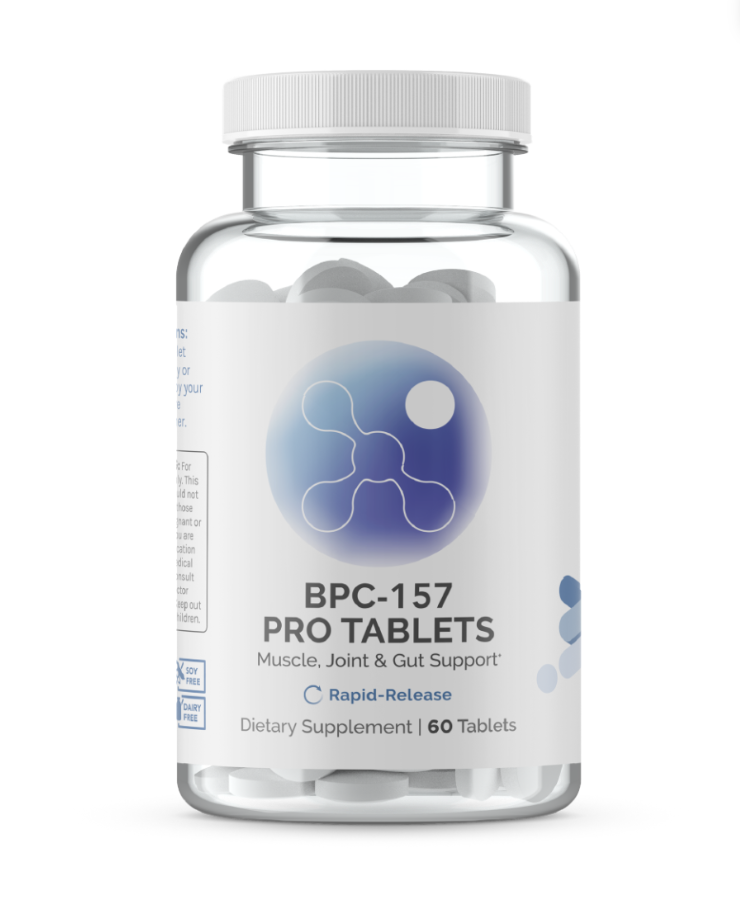
Checklist for choosing bpc 157 peptide capsules
- Third-party testing (COA) and transparency about batch testing
- Clear labeling of concentration per capsule
- Expiration and storage guidance that make practical sense for your environment
- Manufacturing quality (even basic credibility signals matter)
- Reasonable return/support policy
Limitations to be upfront about: Even with good sourcing, capsule form doesn’t eliminate variability from individual digestion, timing, and rehab adherence. Convenience can help consistency—but it doesn’t guarantee effect.
Real-world “protocol” mindset: pair recovery support with rehab
If you’re serious about recovery, the most effective mindset I’ve used with clients is combining any experimental support with a structured rehab plan. For soft-tissue issues, the biggest “lever” is usually progressive loading—not supplements alone.
A practical weekly structure I recommend
- Days 1–3: pain-modulated movement and tendon-friendly range-of-motion
- Days 4–5: strength or isometric work in a controlled range
- Day 6: light aerobic + mobility (increase circulation, reduce stiffness)
- Day 7: recovery day with symptom monitoring
Then repeat with small progression only if symptoms are trending in the right direction.
Safety and expectation management
This section matters because many people jump in looking for fast change. From an evidence-aware perspective, treat BPC-157 usage as an experimental approach with variable outcomes. If you have a medical condition, take medications, or are managing an ongoing injury diagnosis, involve a qualified clinician to avoid risky interactions and to ensure you’re not missing something that needs proper medical evaluation.
In my experience, the best results come from people who:
- Measure symptoms consistently
- Keep training loads sensible
- Use reputable sourcing
- Don’t chase results by constantly changing multiple variables at once
FAQ
How long do people take bpc 157 peptide capsules before they notice any change?
In real-world reports, people often look for early comfort or training tolerance over a couple of weeks, then more meaningful trend changes over longer periods. The key is to track the same movement and symptoms daily; if there’s no directional trend after a reasonable observation window, reassess your rehab plan and dosing consistency.
Do “before/after results” prove bpc 157 peptide capsules work?
No—before/after posts usually can’t control for natural healing, rehab changes, or measurement differences. They can be useful for getting ideas about what to track, but they shouldn’t replace structured self-monitoring.
What’s the most important factor when using capsules for BPC-157?
Consistency and product quality. Because capsule content and absorption can vary, reputable third-party testing, clear dosing label information, and a stable daily schedule matter as much as the dose itself.
Conclusion: Your next step to get meaningful results
BPC-157 benefits are discussed most often in the context of soft-tissue recovery support, and bpc 157 peptide capsules are a convenient way some people choose to use it. But the strongest outcomes come from disciplined measurement, consistent dosing practices aligned to the product label, and a rehab plan that progressively loads the tissue.
Next step: Pick one specific injury-related movement test, track pain/tolerance (0–10) daily, follow your capsule dosing schedule consistently per the product label, and adjust only one variable at a time over the next two weeks so you can see a real trend—not just a single “good day.”
Discussion